Caemseistanme
From data to decision

Land and climate checks
Identify land suitability and resource constraints by cross-referencing soil maps and local climate data. This avoids surprises and provides a factual basis for planning.
Logistics analysis
Analyze logistics options: transport access, cold storage, and supply chain resilience matter. Compare regions by total delivery time and infrastructure quality.

Monitor regulations
Account for regulatory uncertainty. Sudden changes in export policy or subsidies may affect timelines or costs. Build in flexibility and track policy news.
Scenario analysis
Run project scenarios using current market data. Test best-case and worst-case options for revenue and cost, then adjust for real market volatility.

Project planning basics
Practical steps for resource evaluation and project planning
Resource allocation makes or breaks agricultural projects. First, evaluate land, water, and labor quality using comparative charts. Next, explore how external factors like international trade rules or climate events can shift project feasibility overnight. Finally, consult local contacts to validate assumptions before moving forward.
Ask nowHow to get started

1
Assess resource base
Resource mapping provides a foundation for planning. Examine water sources, soil types, and climate data to spot potential strengths or gaps before committing resources.
2
Check legal landscape
Regulatory frameworks differ by country. Carefully review local land rights, export permits, and labor rules to avoid costly surprises. Early compliance checks save time.
Understand price trends
Commodity prices can fluctuate rapidly. Use multi-year market data to understand price swings, factoring in storage and transport costs for more accurate projections.
Develop local ties
Strong local partners improve project reliability and offer insight into market norms. Consider formal agreements to clarify roles and reduce risk of misunderstandings.

Snapshots of global agriculture projects

High-yield wheat field
A high-yield wheat field demonstrates the impact of ideal climate and proper irrigation for cross-border agricultural projects.

Cold storage facility
Well-designed cold storage facilities in India help maintain produce quality for
export, supporting project viability in different regions.

Project team on site
Field teams collaborate to map resources and address practical concerns, using
site visits to inform project feasibility assessments.

Farm logistics in action
Efficient transport and loading facilities support timely delivery to market,
reducing spoilage and maximizing operational efficiency.
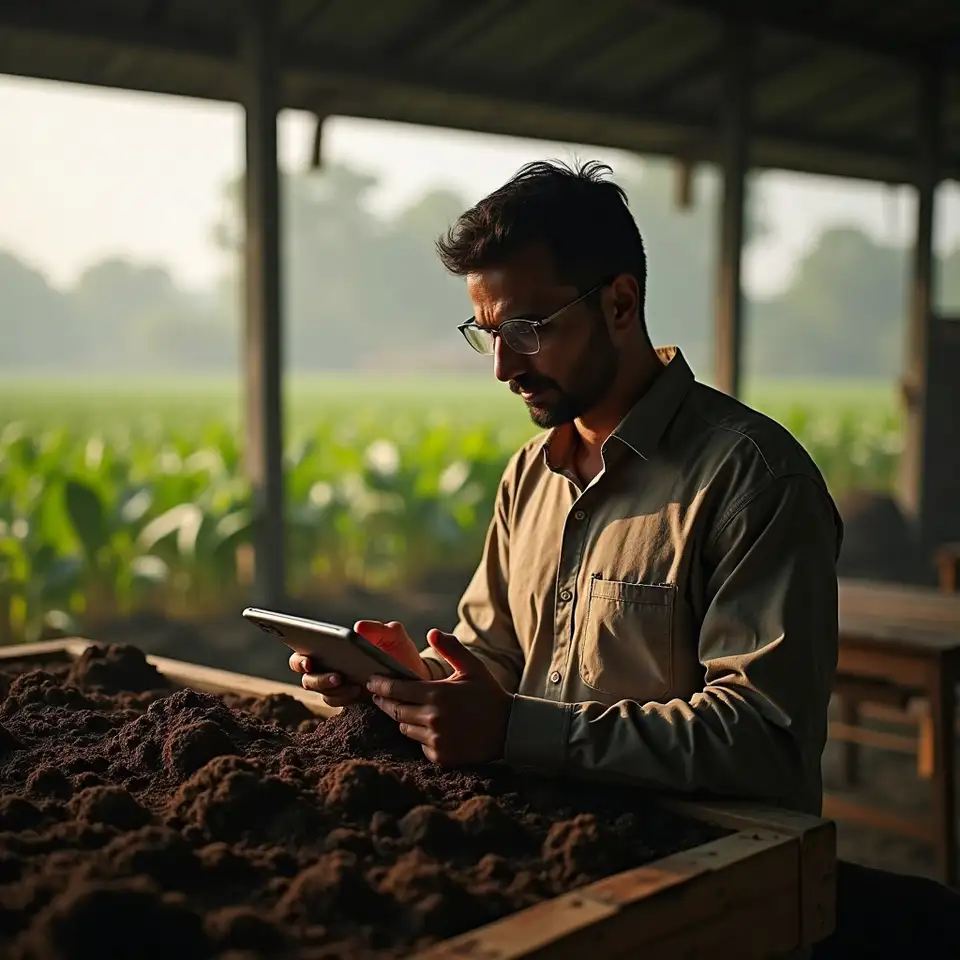
Soil data review
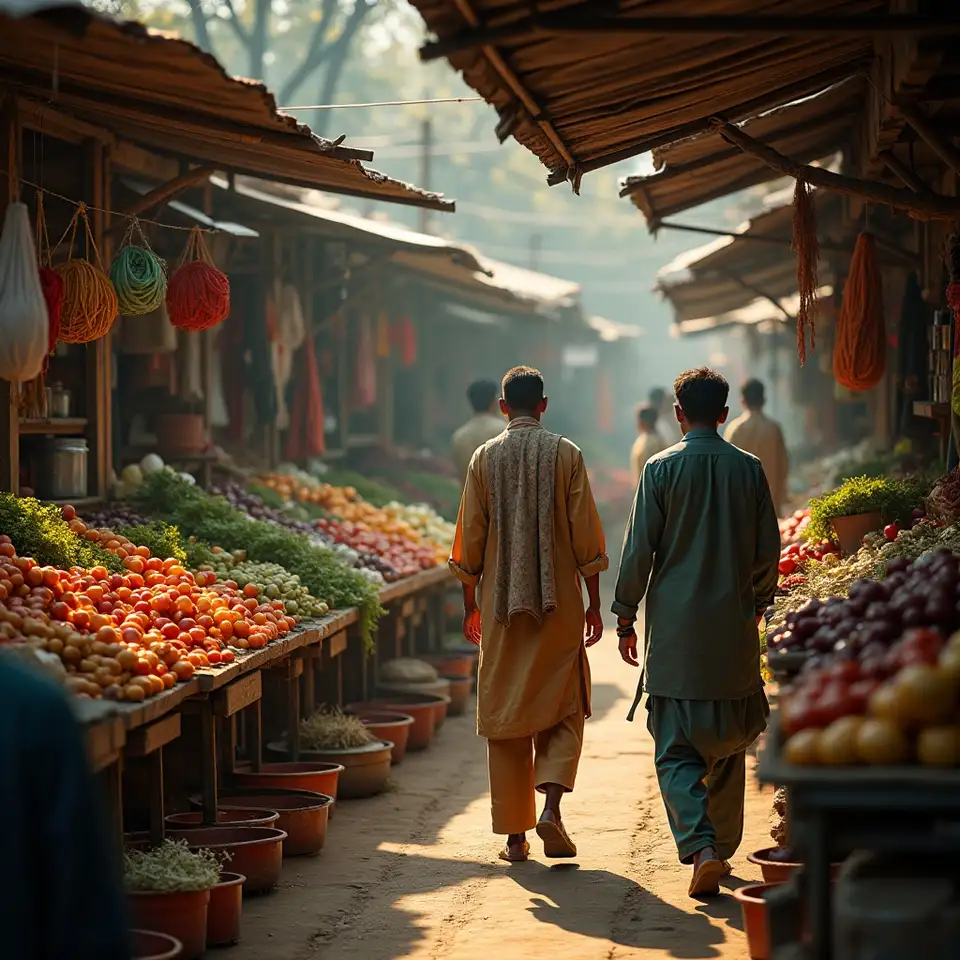
Local produce market
Global agriculture explained simply
Over 70% of India’s rural households depend on agriculture. International projects add layers of complexity but can offer unique market access and diversification.
Key topics for international agriculture projects
-
Regional resource comparison and climate analysis: Analyze how soil conditions, water access, and climate determine the baseline for international agriculture projects. Compare regions to understand the practical impacts on yields and investment decisions.
-
Logistics, regulations, and labor overview: Evaluate logistics including infrastructure, regulatory requirements, and workforce skills in various countries. Identify potential bottlenecks that may impact operational efficiency or cost.
-
Market dynamics and volatility review: Study commodity cycles, price volatility, and geopolitical influences to better anticipate changes in project performance. Results may vary based on evolving market conditions.
-
Building effective local partnerships: Discover how forming strong local partnerships can mitigate risk, support compliance, and improve project outcomes. Contrast approaches based on real-world scenarios from different regions.
What this guide covers
Explore the primary considerations for practitioners pursuing international agricultural projects. First, understand how resource availability and market demand set the stage for opportunity. Next, review the logistical realities that shape project feasibility, such as transport infrastructure, local regulations, and workforce factors. Finally, learn how environmental variability and global supply chain disruptions can challenge timelines and profitability. This section avoids unrealistic promises and instead highlights the importance of due diligence, careful planning, and local partnership development. Results may vary based on climate, commodity cycles, and regulatory changes. Consult multiple sources and seek advice before committing significant resources to cross-border projects.
What makes this overview different
Unlike generic investment overviews, this guide uses real comparisons, tabular
summaries, and practical scenario planning to equip practitioners with concrete
insights. Expect candid discussions of trade-offs, including regulatory,
environmental, and labor challenges encountered in real projects.
How this guide helps international agriculture
Every project needs a clear-eyed, side-by-side comparison. Rapid referencing saves time, while scenario planning ensures a realistic understanding of project trade-offs and pitfalls.
At-a-glance comparisons for faster decisions
Quickly compare countries and regions using clear tables for climate, logistics, and
regulatory overview. Ideal for practitioners seeking a fast, visual reference.
Stepwise scenario planning approach
Step-by-step scenario planning process guides users through evaluating resource and
regulatory factors before making commitments. Designed for clarity and simplicity.
Clear breakdown of trade-offs and risks
Candid discussion of common trade-offs, such as cost versus infrastructure
reliability or market access versus regulatory complexity.
Useful directory for practical support
Resource directory of local contacts and practical references for users seeking real-world input before acting.
Project gallery
Technology, teamwork, and local knowledge in focus
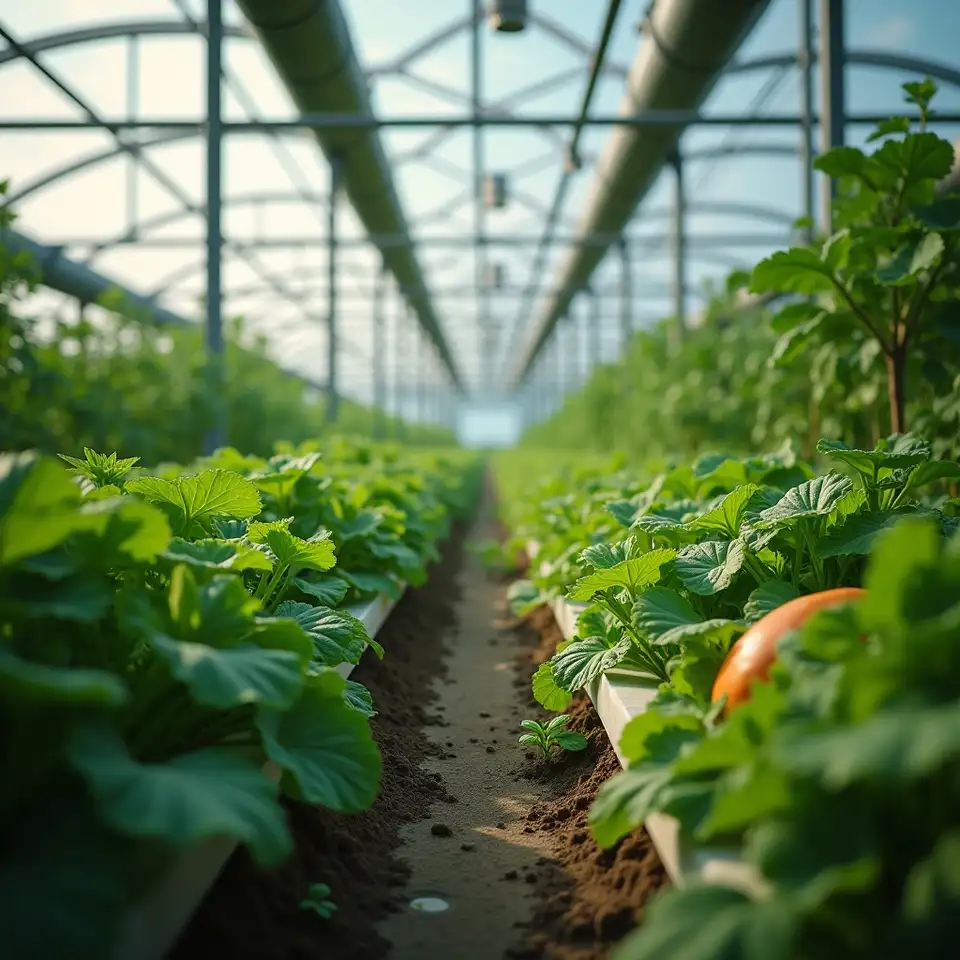
Year-round greenhouse
A modern greenhouse in India allows year-round production of vegetables, demonstrating how technology mitigates some environmental risks and expands growing seasons for international projects.

Drone-assisted survey
Drone technology helps survey large farms, improving resource mapping and monitoring in projects where land parcels are extensive and diverse.

Efficient irrigation
Efficient irrigation systems boost water management for Indian farms. This
enables consistent yields and can reduce risk from unpredictable rainfall in
cross-border projects.

Market integration
Local market integration shows how Indian farmers benefit from understanding nearby buyers, adjusting crop choices and timing for practical market advantage.